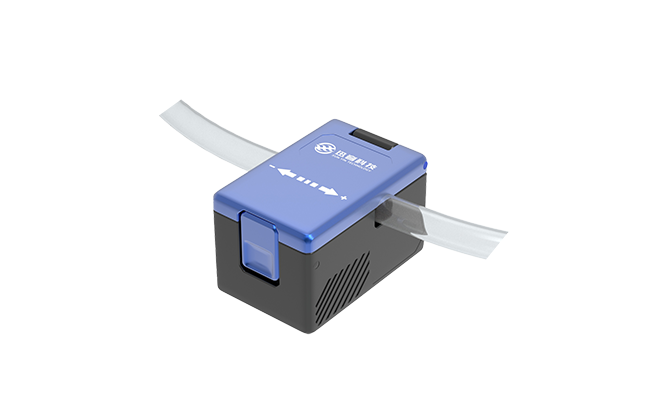
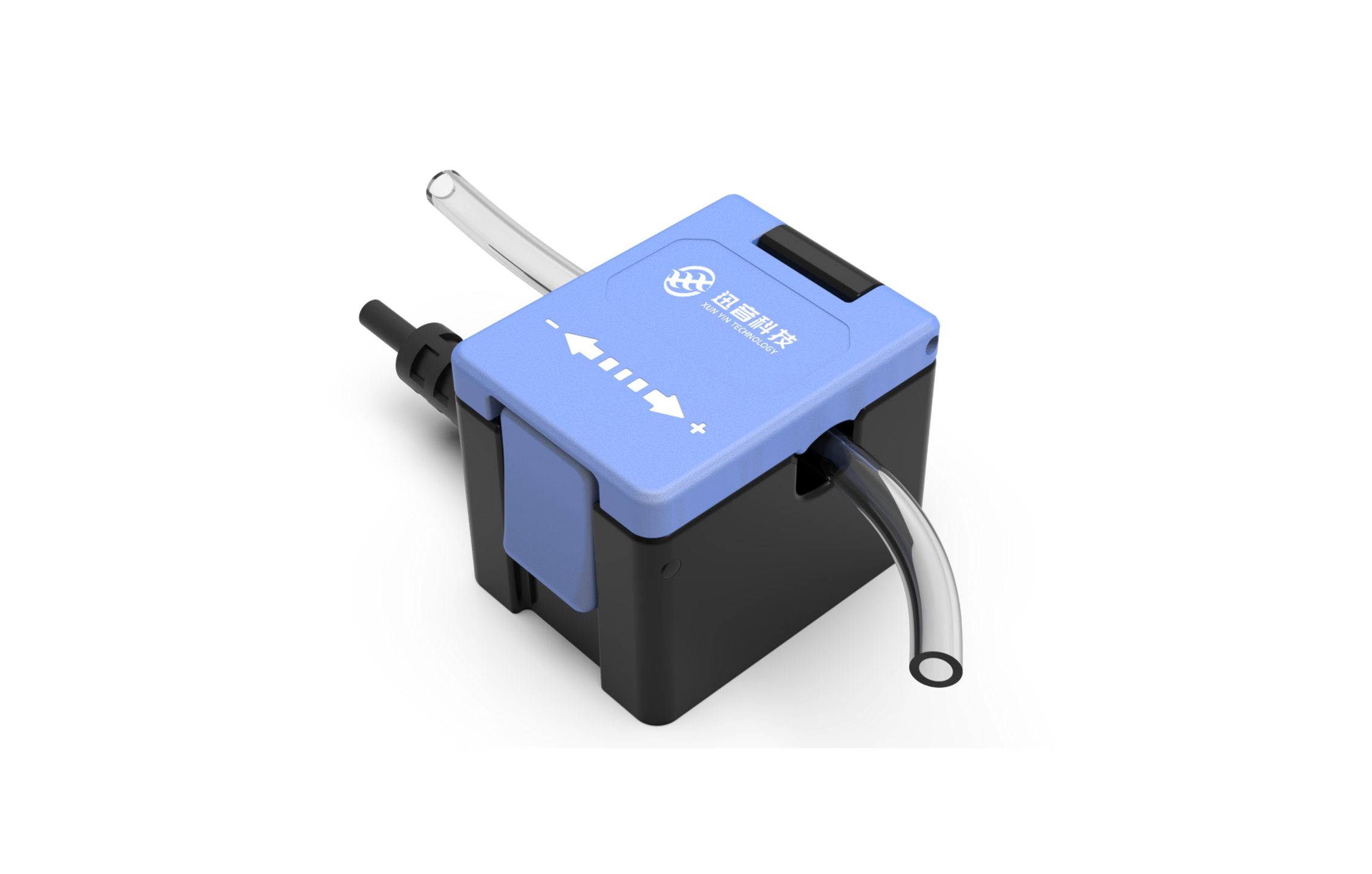
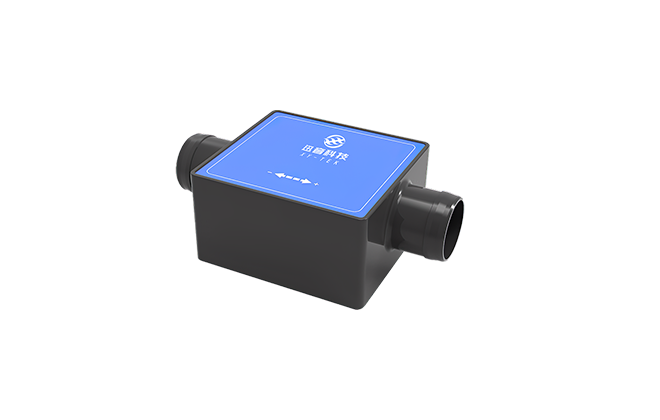
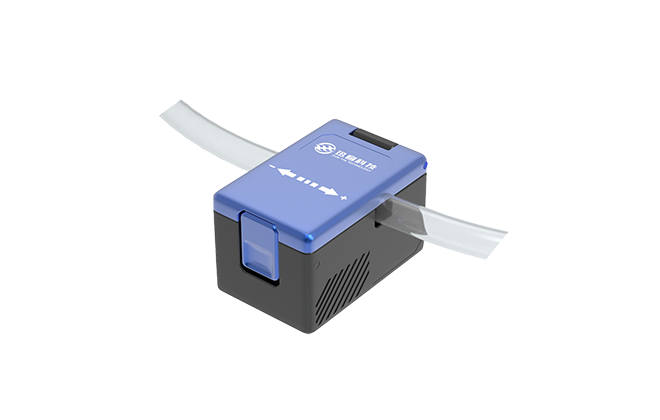
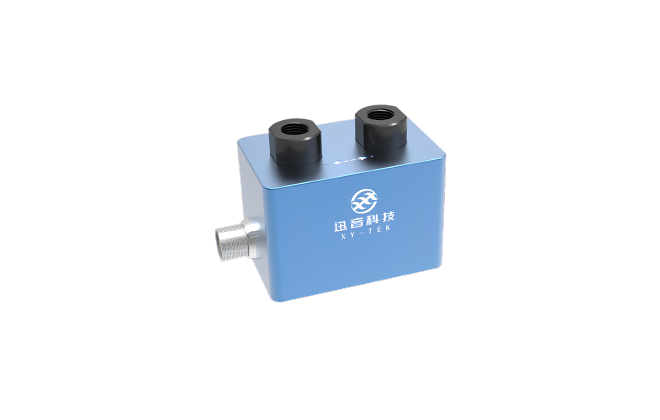
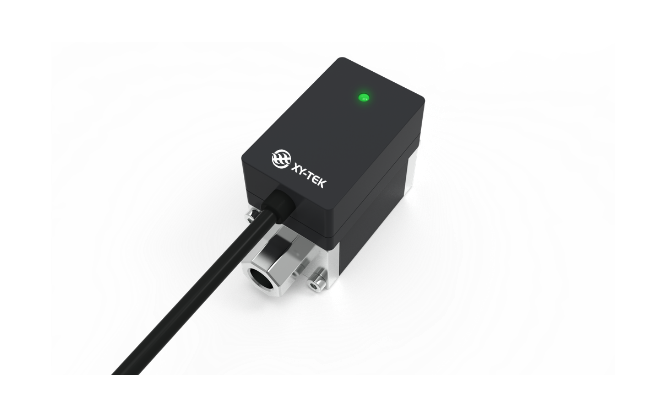
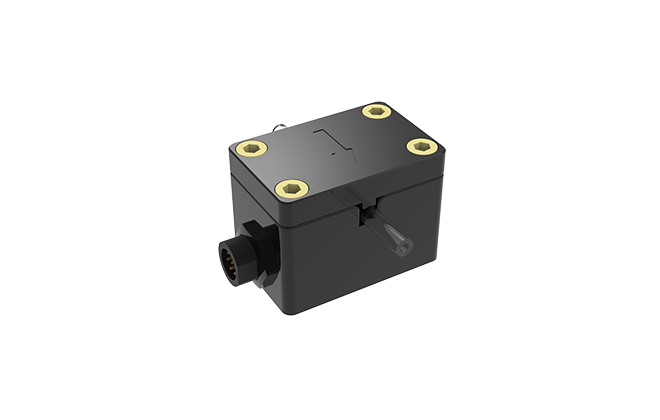
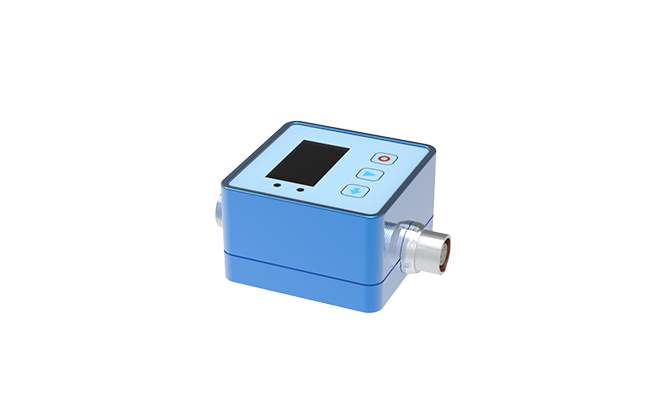
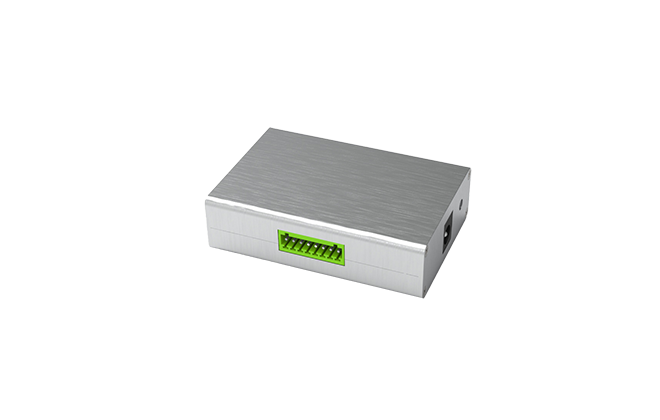
CG series ultrasonic clamp-on flow sensors / flow meters are compact in size, and can measure flow a...

The CM series clamp-on ultrasonic flow sensors/flow meters are similar to the CG series flow sensors...

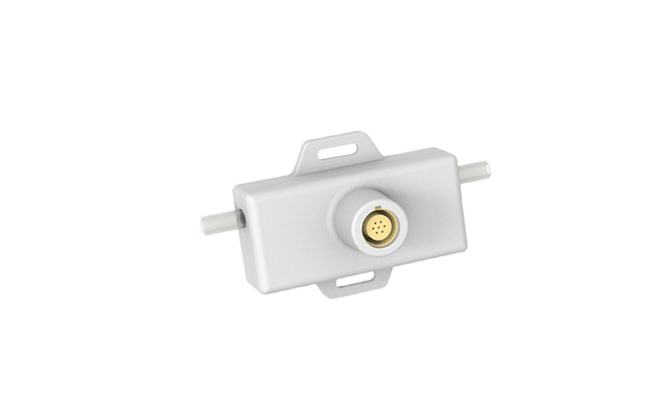
The TH series pulsatile flow rate measurement sensors/flow meters are designed specifically for hear...

CG series clamp-on flow sensors / flow meters are compact in size, and can measure flow and output r...

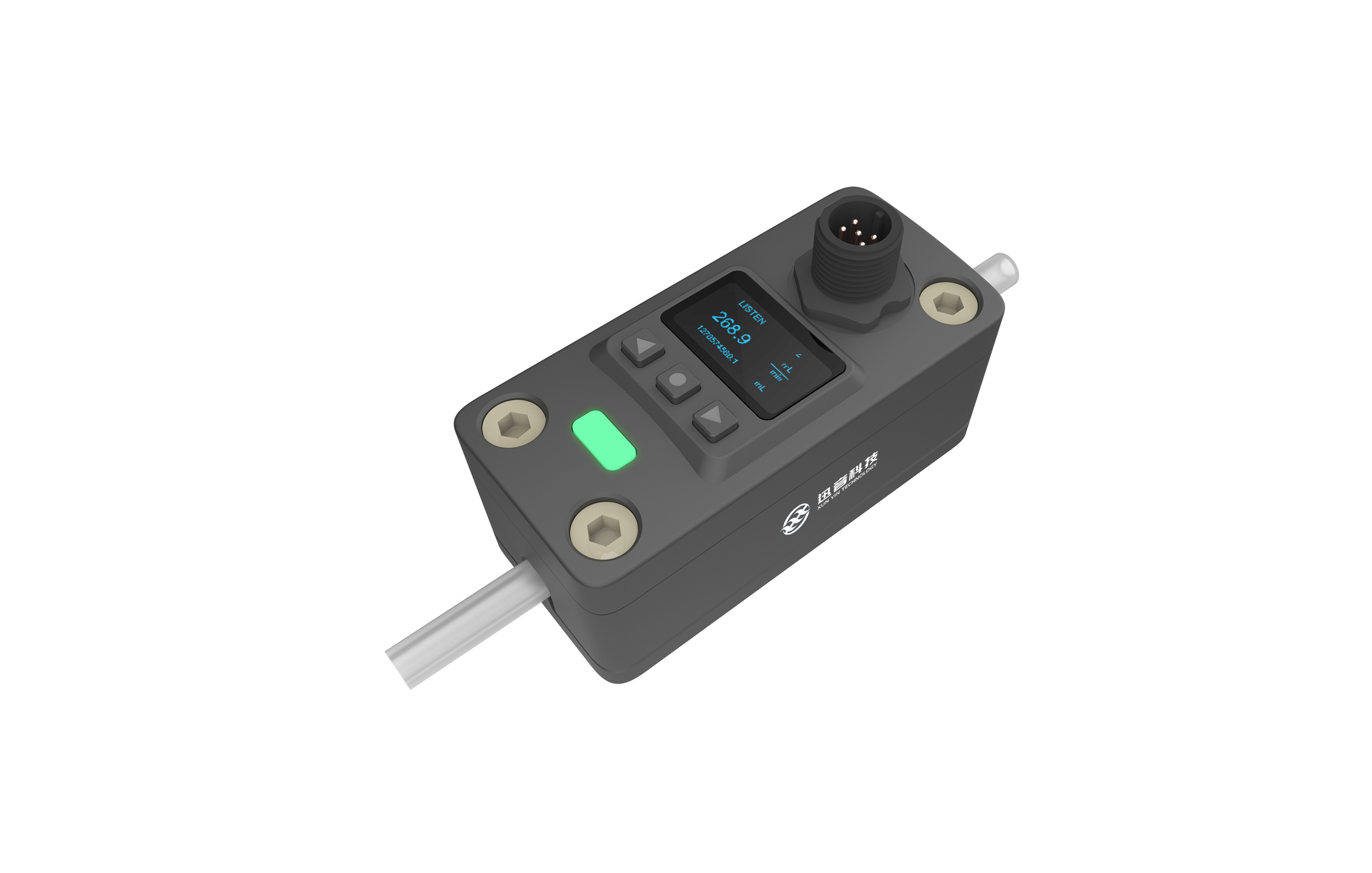
The TGU Series Low-flow Ultrasonic Flow Sensors / Flow Meters feature a U-shaped measuring channel d...

The SU single-use ultrasonic flow sensor/flow meter incorporates a disposable measuring channel made...

The CPD series clamp-on ultrasonic flow sensor/flow meters boast a compact design with an integrated...

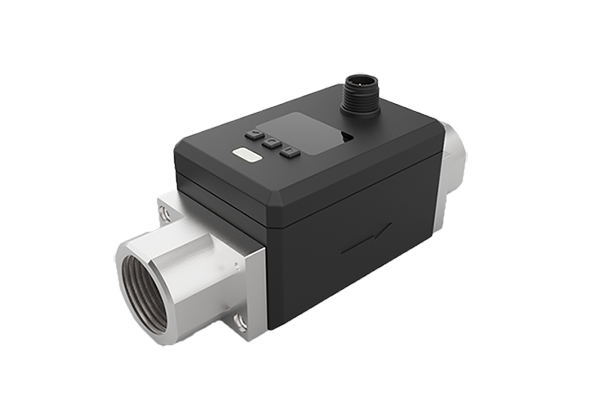
The TPD series inline ultrasonic flow sensors/flow meters feature an integrated design with a built-...

The TPK series inline ultrasonic flow sensors/flow meters feature an integrated design with a built-...

The CPD series clamp-on ultrasonic flow sensor / flow meter boasts a compact design with an integrat...

The TPD series inline ultrasonic flow sensors/flow meters feature an integrated design with a built-...

The TPK series inline ultrasonic flow sensors/flow meters feature an integrated design with a built-...
Application Background
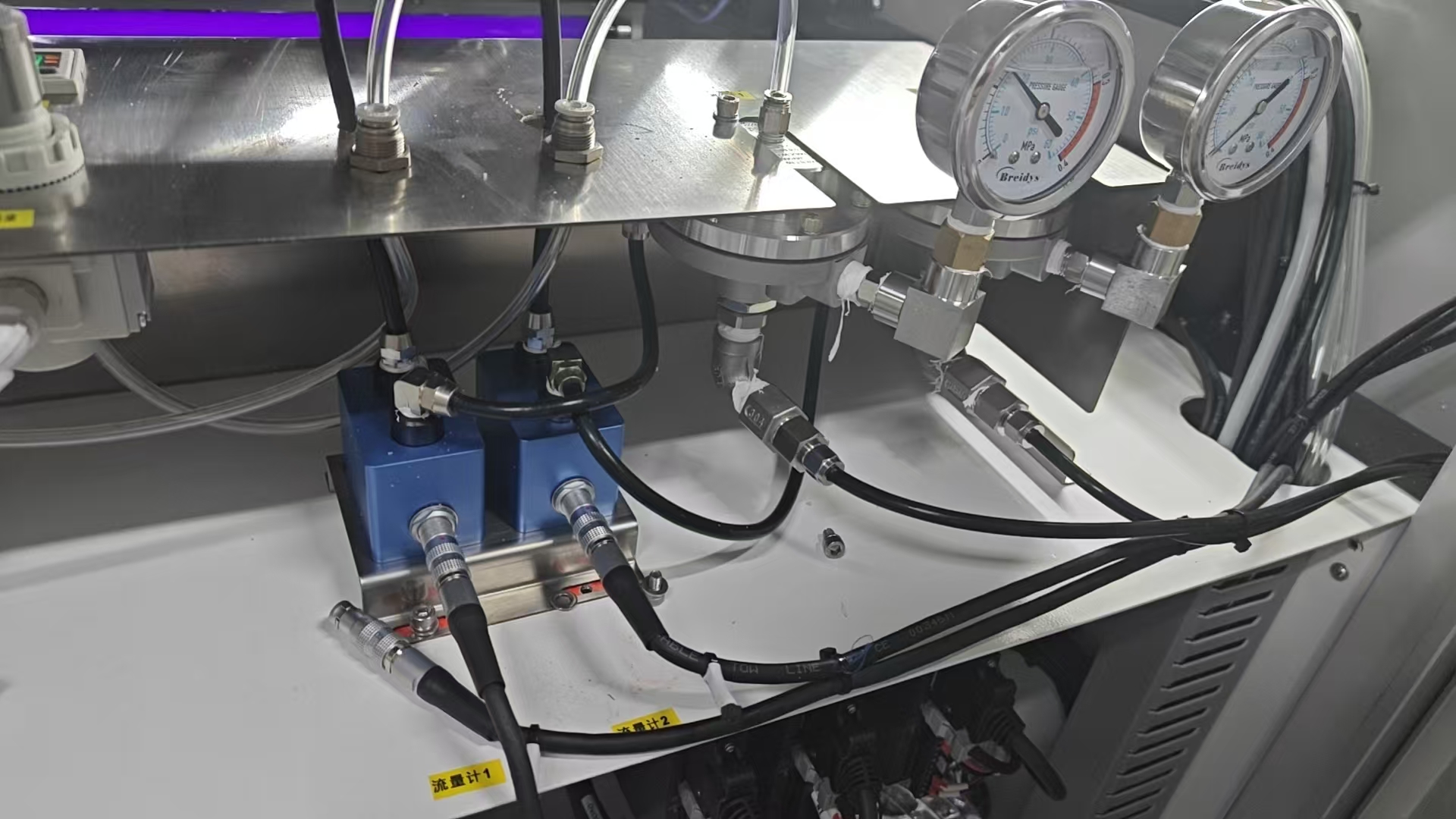
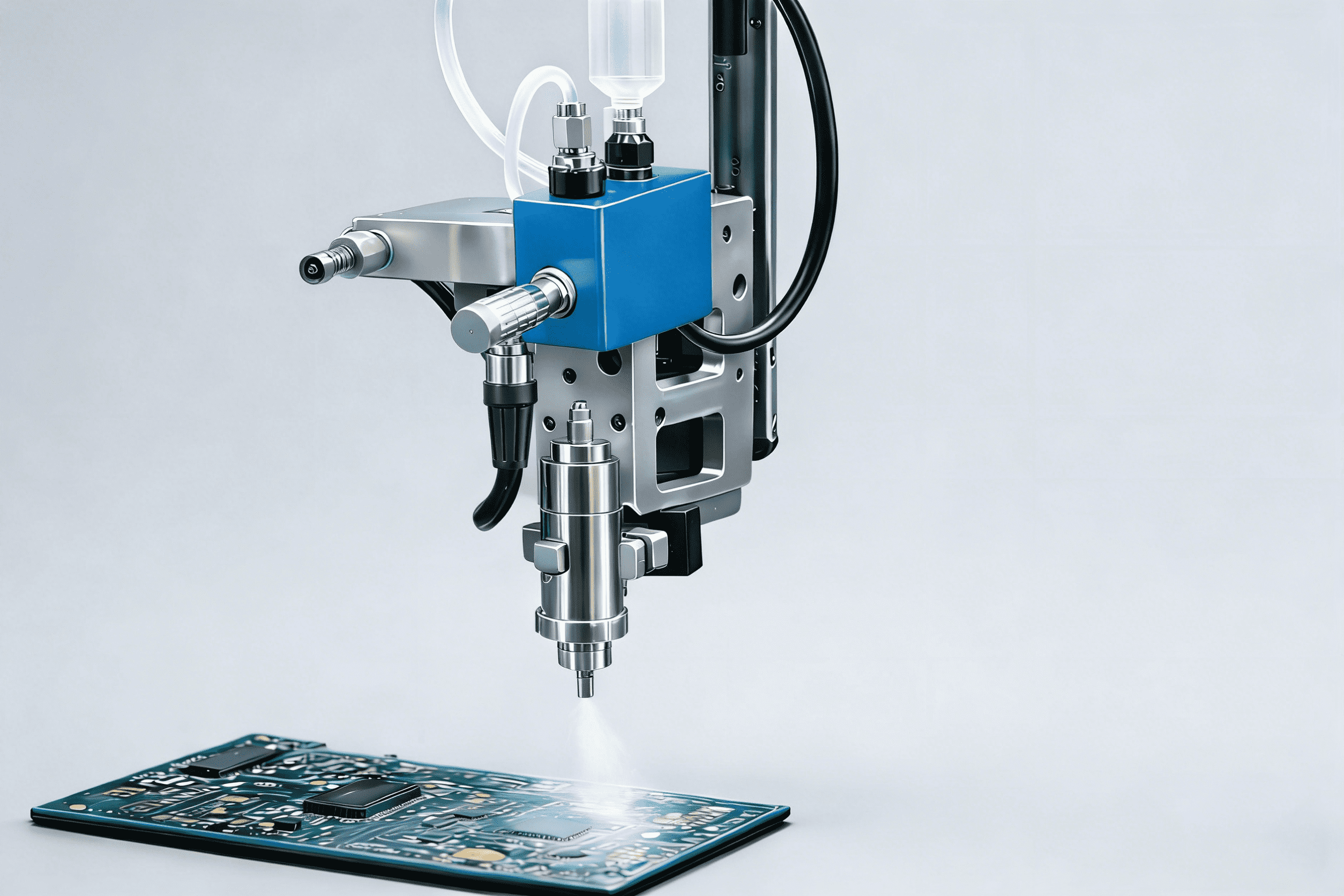
In selective wave soldering equipment, when welding electronic components onto circuit boards, flux can be selectively sprayed onto specific areas of the electronic components according to process requirements. This process helps achieve better welding quality.
Accurate flux spraying processes can avoid waste caused by large-area flux application, reduce production costs, and improve welding process efficiency.

Measurement Challenges
Flux is an auxiliary material used in the welding process, typically applied to the welding surface. During welding, it serves functions such as cleaning, anti-oxidation, and promoting wetting, which helps facilitate contact and diffusion between the solder and the workpiece surface, thereby improving welding quality and reliability.
Flux often has an acidic pH value. If the amount used is excessive, it can affect product reliability; if too little, it can impact welding quality. Therefore, precise control of flux usage has become key to enhancing welding quality and reliability.
Simply calculating the flux flow for each application by detecting the start and stop signals of the flux nozzle cannot achieve real-time, precise flow control.
Common issues faced by flow sensors/flow meters when measuring flux include:
1. Insufficient Measurement Accuracy and Repeatability
Mechanical flow meters, such as turbine or gear types, lack precision in micro-flow measurements below 5 mL/min, making it difficult to meet the requirements of precision welding processes.
2. Poor Adaptability to Special Media
Flux is typically alcohol-based, flammable, volatile, prone to crystallization, and can easily clog mechanical components. Vortex flow meters, gear flow meters, etc., have poor adaptability in flux media and struggle with accurate measurement.
3. High Maintenance Costs
Mechanical flow meters, such as gear or float types, are prone to damage during long-term use, requiring frequent calibration, which increases maintenance and downtime costs.
4. Inability to Capture Flux Pulsatile Flow
In selective wave soldering equipment, flux supply is often non-constant and is presented in pulsed form. Vortex, rotor, electromagnetic, Coriolis, and thermal flow meters have slow response speeds under pulsatile flow, leading to measurement deviations or errors.
Solution: TGU Series Ultrasonic Flow Sensor – Designed for Ultra-Low Flow Measurement
1. Ultra-Low Flow Measurement: Minimum measurable flow as low as 1 mL/min, with flow measurement accuracy up to ±1% and repeatability as optimal as 0.002 mL, meeting the needs for precise micro-flux supply.
2. Capable of Measuring Pulsatile Flow: TGU can accurately capture unstable, fluctuating, or pulsed flow changes during flux spraying, without distortion in measurement results due to fluctuations, helping to avoid false soldering or missed soldering caused by uneven flux supply.
3. Bubble Detection: Real-time monitoring of bubbles in the flux pipeline to prevent welding defects.
4. High-Precision Output: Measurement accuracy up to ±1%, supporting multiple flow data output methods to provide reliable data for feedback control.
5. Standardized Connectors: Directly integrates into existing selective wave soldering equipment via international standardized pipeline connectors.
6. Bi-Directional Measurement: Supports forward and reverse flow detection, adapting to various process flows.
7. High Reliability: No moving parts, maintenance-free design, corrosion-resistant, suitable for complex welding environments.

Application Scenarios
1. Real-Time Monitoring of Flux Flow
Based on the customers welding requirements and flux characteristics, preset the flux flow range, target value, and control time interval in the controller. Install the TGU ultrasonic flow sensor on the flux delivery pipeline, downstream of the flow control valve.
During the welding process, the TGU flow sensor continuously detects the real-time flux flow according to the specified control time interval and transmits the detected data to the controller. It calculates the deviation from the target flow and outputs corresponding control signals to promptly adjust the flux flow control valve's operating status, ensuring stability and consistency in the welding process, improving production efficiency, and avoiding unnecessary waste.
2. Detecting Flow Anomalies to Determine Flux Nozzle Blockage or Leakage
When the flux nozzle becomes blocked, the flow sensor will detect a sudden decrease or interruption in real-time flow, triggering an alarm and prompting operators to inspect and clean. If a leak occurs, the flow sensor will also detect abnormal flow conditions, allowing timely detection and resolution of leakage issues to ensure production process stability and safety.
3. Flow Data Recording, Storage, and Process Optimization
After welding is completed, evaluate the flow control effectiveness during the welding process to provide references and an improvement basis for subsequent welding operations.
Customer Value
1. Improved Welding Quality: Precise and controllable flux usage leads to higher product consistency.
2. Real-Time Monitoring: Timely detection of flow anomalies reduces welding defects.
3. Easy Installation: Standardized pipeline connectors allow for quick installation without production downtime.
4. Low Maintenance Costs: No mechanical wear, no need for regular calibration or replacement.
5. Cost Reduction: Precise control of flux usage improves production efficiency and reduces waste and rework.
More about TGU series Ultrasonic Flow Sensor / Flow Meter, please visit XY-TEK website at https://xy-tek.com/Products/show?id=6
Please contact XY-TEK team at global@xy-tek.cn
XY-TEK engineers would be delighted to arrange the flow sensor/flow meter demonstration or provide further information to help make the flow meter selection choice.
Have questions or need assistance? Contact us-we're here help!


All rights reserved © Shanghai Xunyin Technology Co., Ltd