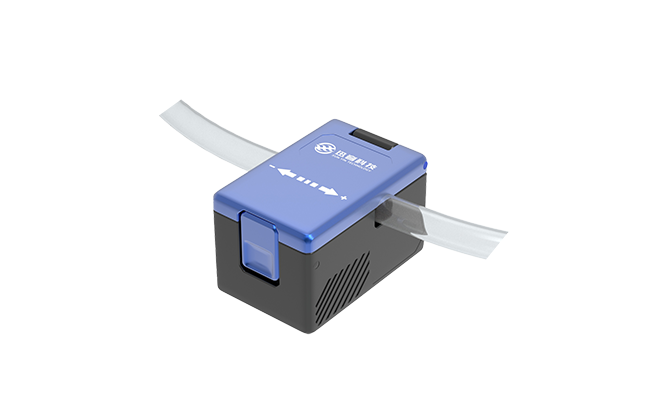
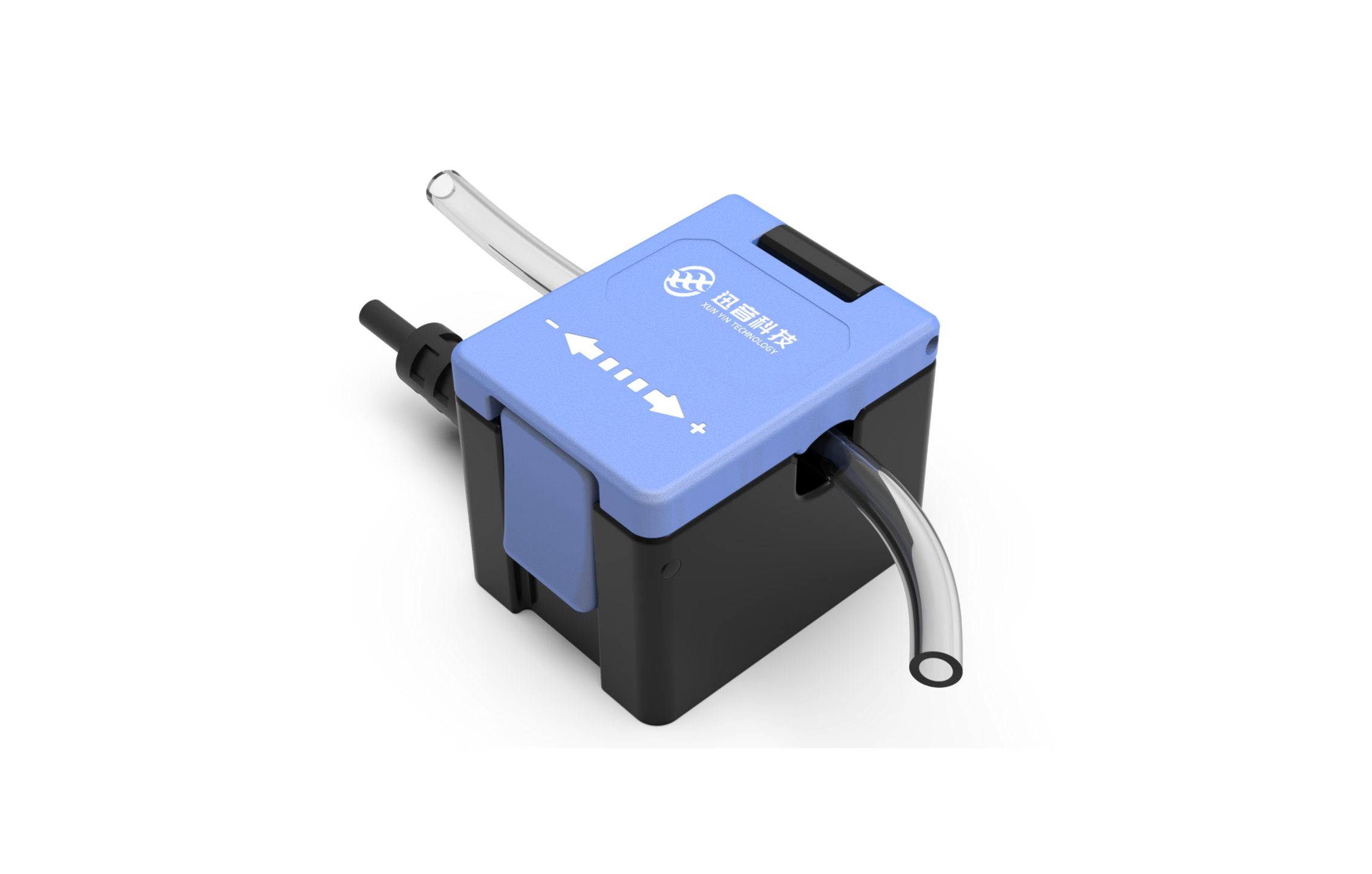
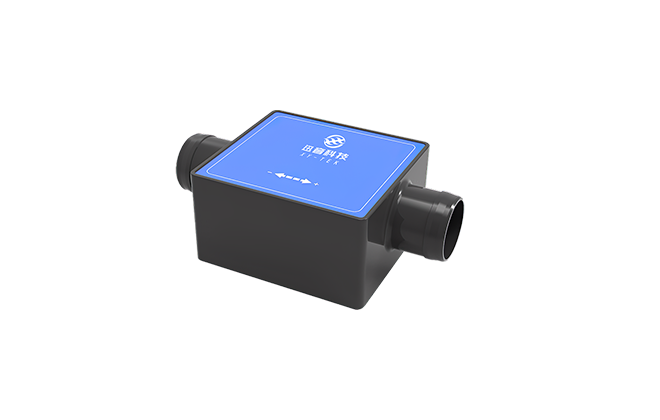
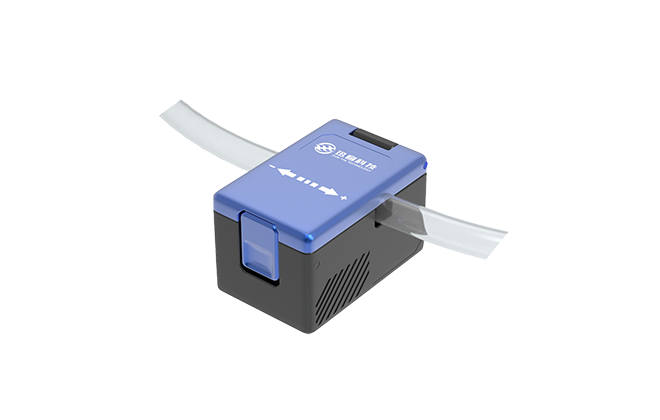
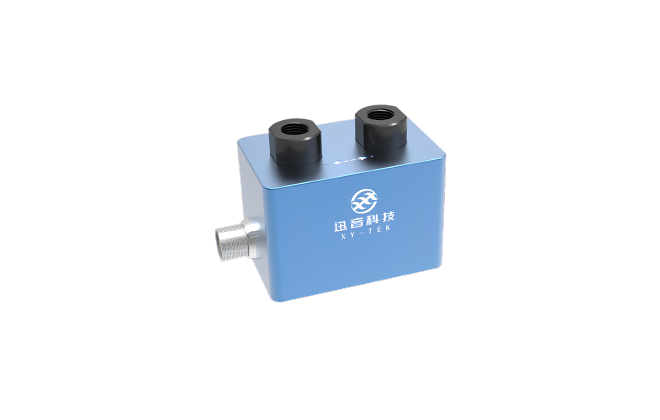
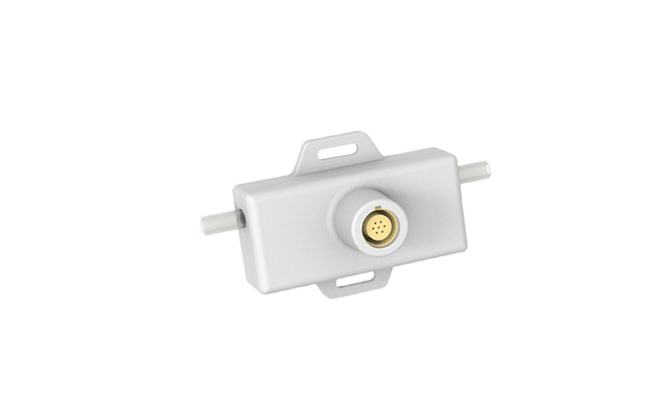
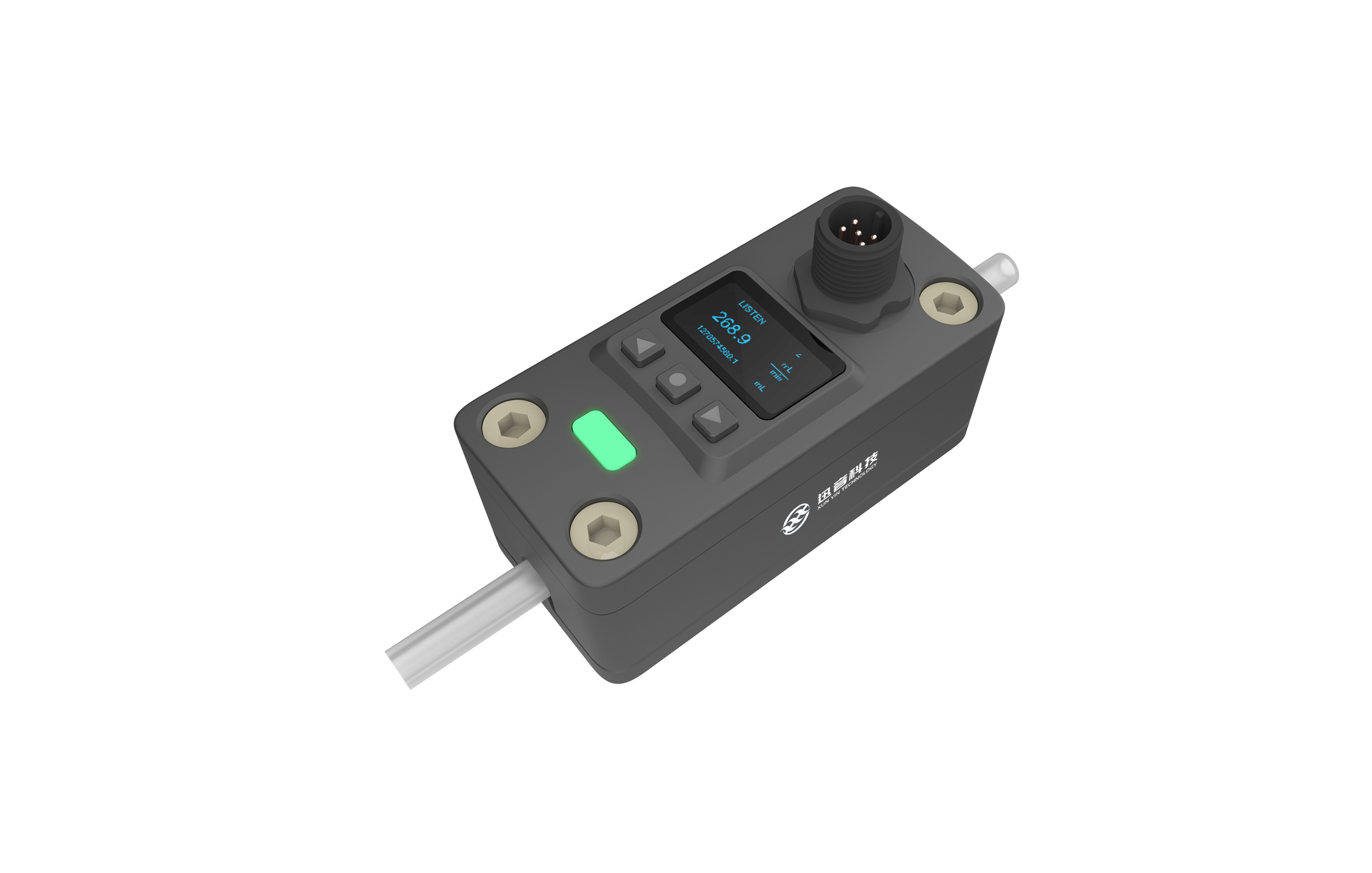
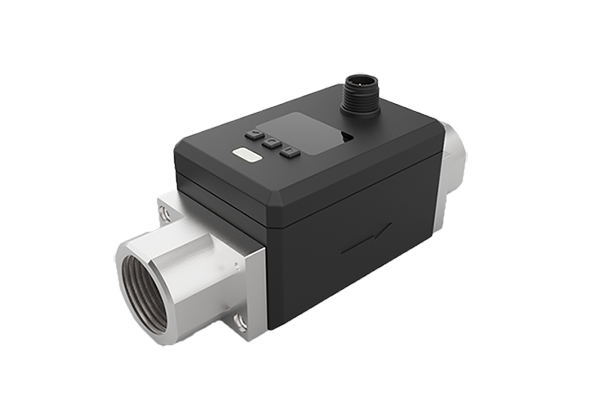
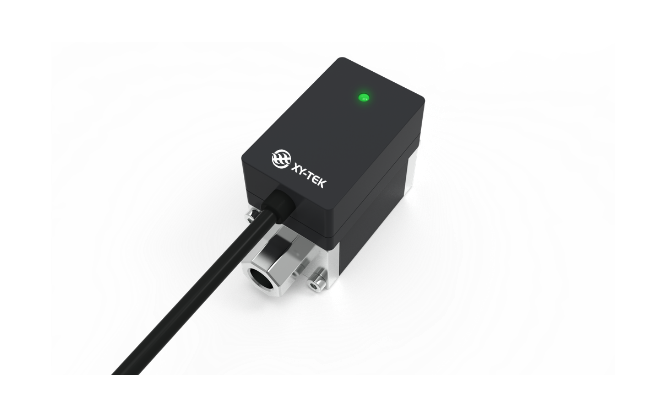
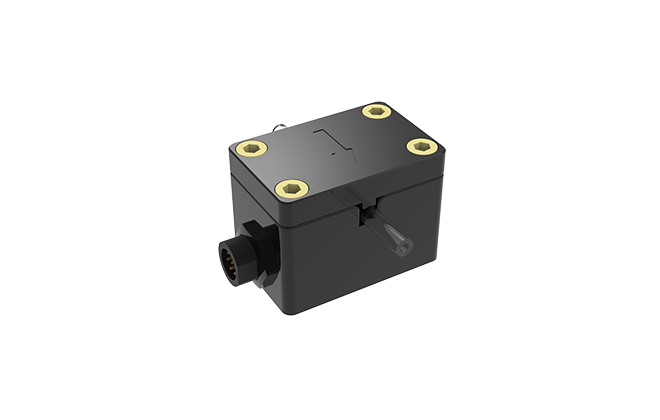
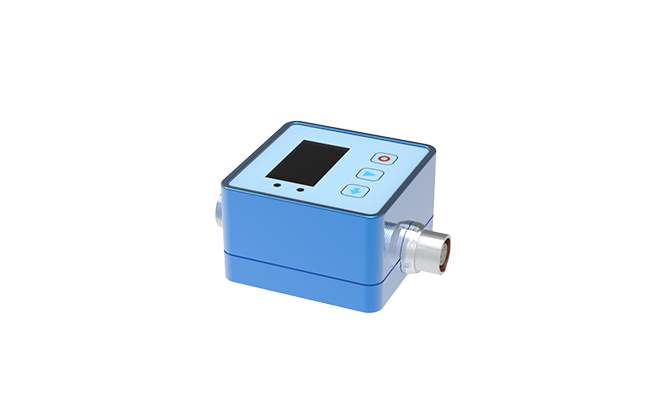
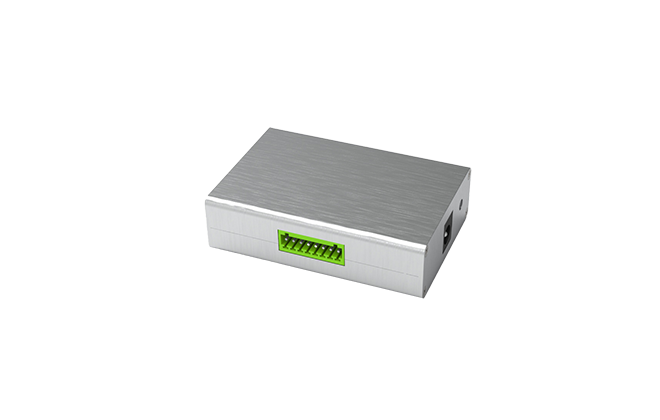
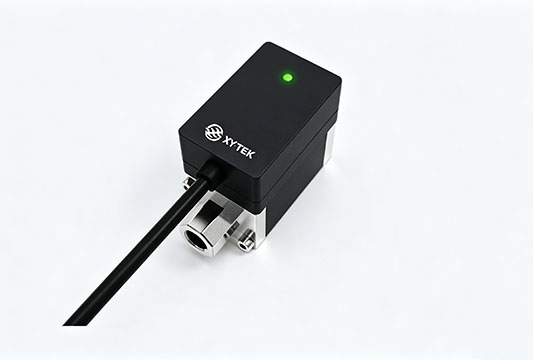
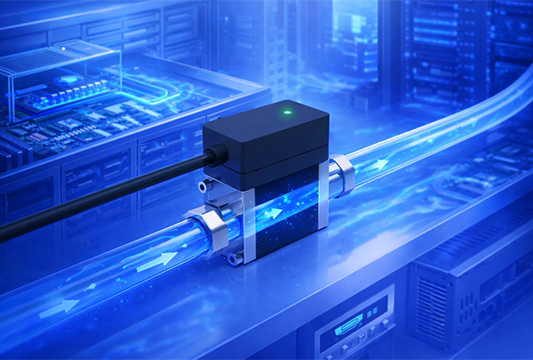
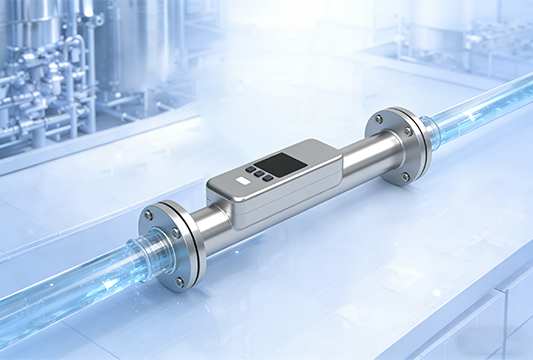
CG series ultrasonic clamp-on flow sensors / flow meters are compact in size, and can measure flow a...

The CM series clamp-on ultrasonic flow sensors/flow meters are similar to the CG series flow sensors...

The TH series pulsatile flow rate measurement sensors/flow meters are designed specifically for hear...

CG series clamp-on flow sensors / flow meters are compact in size, and can measure flow and output r...

The TGU Series Low-flow Ultrasonic Flow Sensors / Flow Meters feature a U-shaped measuring channel d...

The SU single-use ultrasonic flow sensor/flow meter incorporates a disposable measuring channel made...

The CPD series clamp-on ultrasonic flow sensor/flow meters boast a compact design with an integrated...

The TPD series inline ultrasonic flow sensors/flow meters feature an integrated design with a built-...

The TPK series inline ultrasonic flow sensors/flow meters feature an integrated design with a built-...

The CPD series clamp-on ultrasonic flow sensor / flow meter boasts a compact design with an integrat...

The CS series clamp-on flow sensor/flow meter is compact and supports measuring flow rate and detect...

The TGU Series Low-flow Ultrasonic Flow Sensors / Flow Meters is specifically designed to measure ul...

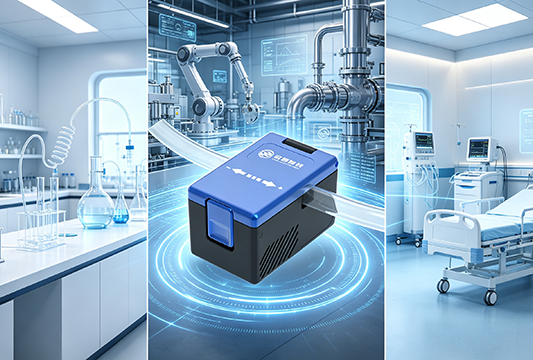
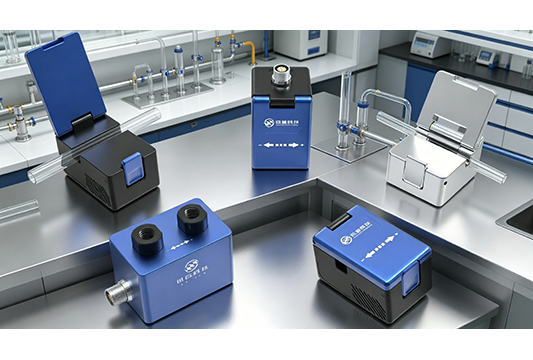
Selecting the right flow sensor for a specific project goes beyond comparing spec sheets—it requires understanding how the sensor behaves under real operating conditions. XY-TEK is an ultrasonic flow sensor manufacturer specializing in non-invasive measurement for small tubing and low flow rates, offering a portfolio that spans clamp-on, in-line, single-use, and micro-flow sensors. This article examines how XY-TEK’s product range maps to common project scenarios in industrial automation, medical devices, and biopharmaceuticals, helping procurement and engineering teams make informed decisions during the research and evaluation phase.

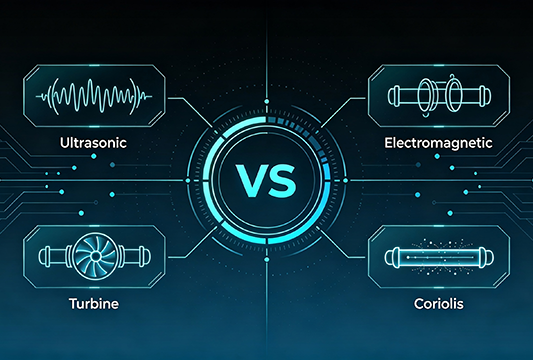
When procurement teams reach the decision stage for flow sensors, comparing technology options directly is the fastest path to a cost-effective, reliable solution. Each technology — ultrasonic, electromagnetic, turbine, and Coriolis — comes with distinct trade-offs in accuracy, installation complexity, maintenance, and long-term operating cost.

As fluid control systems become more specialized, equipment manufacturers face a common challenge: standard off-the-shelf flow sensors often fail to meet unique integration requirements — whether it is a specific communication protocol, housing material, sensor size, or interface. At the same time, industries such as lithium-ion battery production, liquid cooling for data centers, and precision electronics assembly demand non-invasive, contamination-free monitoring with high accuracy in extreme conditions. This creates a clear opportunity for suppliers who can deliver not only reliable measurement but also flexible customization and deep application expertise.

When evaluating flow sensors for mission-critical applications like liquid cooling, procurement teams often focus on initial price or headline accuracy. But the real cost driver isn't the purchase order—it's the operating expense over the system's lifespan.

From life-support medical equipment to high-speed automated production lines, accurate, non-invasive flow measurement has become a critical requirement across industries. XY-TEK's ultrasonic flow sensor portfolio delivers precision, reliability, and contamination-free monitoring.

When evaluating an ultrasonic flow sensor supplier, procurement teams often separate certifications from performance specs. In practice, the two are tightly linked—and together they signal a supplier's engineering depth.

When the power consumption of a single AI training chip exceeds 1000 W and the heat density of a GPU server rack surpasses 100 kW, traditional air cooling — with a heat transfer coefficient only 1/25 that of liquid — is no longer an option but a bottleneck. Liquid cooling has rapidly shifted from an “optional solution” to a “mandatory solution.” However, liquid cooling is not a single technology. A fundamental choice lies at the root of every liquid cooling architecture: Must the coolant be conductive? The answer determines system architecture, safety boundaries, and maintenance logic — and ultimately decides which flow measurement technology should be used.

Ultrasonic flow sensor for liquid colling Overview of Flowmeter Technologies in Liquid Cooling Systems

CPD Clamp-on Ultrasonic Flow Meter in Battery Electrolyte Injection Equipment
Have questions or need assistance? Contact us-we're here help!


All rights reserved © Shanghai Xunyin Technology Co., Ltd